The Kansas Callery Pear Buyback: Trade Your Bradford Pear for a Free Native Tree
Published
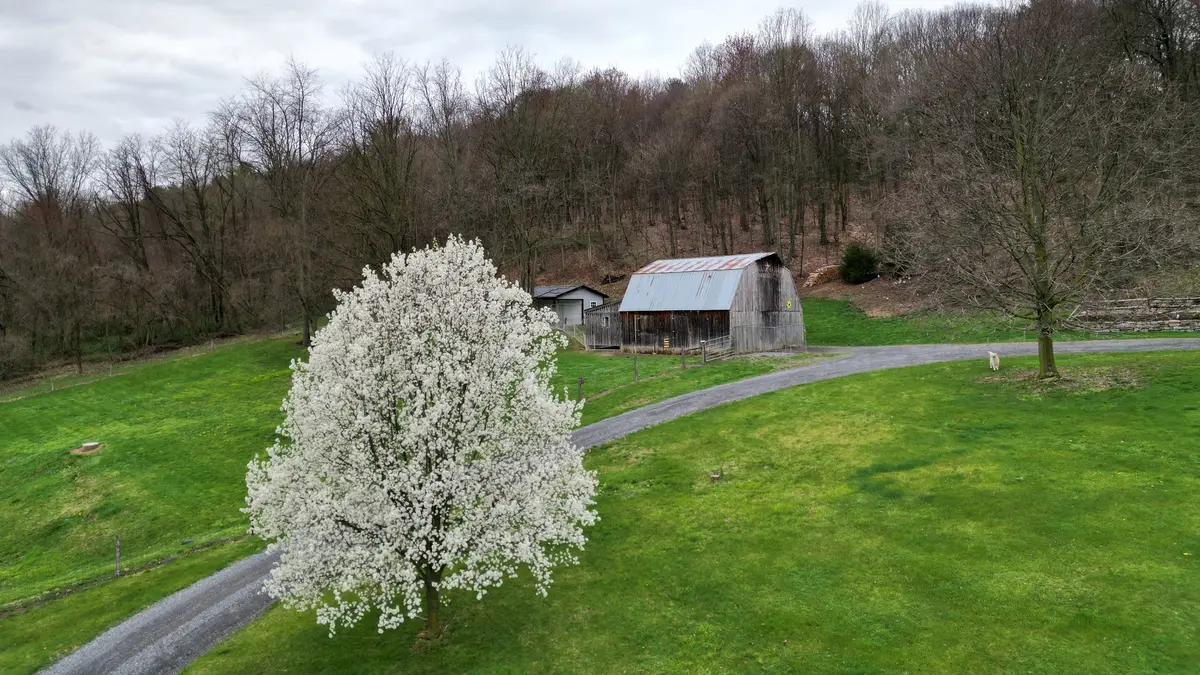
Got a Bradford pear in the yard? Kansas wants it gone, and it's been willing to trade you a free native tree for it.
The Kansas Forest Service ran a Callery pear buyback in May 2026. People who cut down a Callery pear brought proof and went home with a native tree. Those events are over, and no new date has been announced yet. If you want in on the next one, keep an eye on the Kansas Forest Service events page. That's where new buybacks get posted.
The good news is you don't have to wait. Trees taken down the year before an event have counted in the past, so you can remove yours now and be ready when the next one comes around.
Why Callery pears are a problem
Bradford pears got planted all over Manhattan because they grow fast, bloom white every spring and turn red in the fall. Bradford is just one kind of Callery pear. Cleveland Select, Aristocrat and Chanticleer are others. All of them come with the same three problems.
They spread. These trees were sold as ones that wouldn't make seed. That turned out to be wrong. When different Callery pears grow near each other, they cross-pollinate and make small fruit. Birds eat it and drop the seeds along roads, creeks and pastures. What comes up is a thorny thicket that crowds out native plants and is a pain to clear. Around the Flint Hills, that means more brush creeping into prairie and grazing land.
They split. Callery pears put out a bunch of branches from almost the same spot, at tight angles. As the tree gets bigger, those joints get weaker. A lot of them crack down the middle somewhere around year 15 or 20, usually in a windstorm or an ice storm. That's when the nice yard tree ends up on the roof, the car or the fence.
They stink. Walk past one in full bloom in April and you'll know.
Kansas is taking it seriously. Starting January 1, 2027, a state quarantine from the Kansas Department of Agriculture stops nurseries and stores from selling, distributing or moving Callery pears in Kansas. Trees already in yards don't have to come down. But between the quarantine and the buyback, there's not much reason to keep one.
How to tell if you have one
- White flowers in early spring, before the leaves show up
- Shiny, egg-shaped leaves with fine teeth along the edges
- A tight, upright teardrop or oval shape on younger trees
- Small, hard brown fruit about the size of a pea
- Thorns on the branches of wild seedlings
Not sure? A certified arborist can tell you in about a minute.
How the buyback worked
The 2026 buyback was three one-day events in different parts of Kansas. Future rounds may change, so check the Kansas Forest Service's details when one is announced. Here's how it went in 2026:
- Photograph the tree while it's standing. Do it before anybody starts cutting. That's your proof it was a Callery pear.
- Take the tree down. Do it yourself or hire it out. The Kansas Forest Service suggests a certified arborist. The buyback doesn't pay for the removal.
- Photograph the stump. Or keep the bill from your tree service, as long as it says what kind of tree was removed.
- Sign up online. Your confirmation tells you where the event is.
- Pick up your tree. Bring your photos or the bill.
The rules were simple. Any Kansas resident could take part. Bradford, Cleveland Select and Aristocrat pears all qualified. Trees removed in 2025 or 2026 counted. One tree per household, first come, first served, and you had to pick it up at the event you signed up for.
The free trees were bur oak, Kentucky coffeetree, eastern redbud, serviceberry and Sargent crabapple. They came in 3-gallon pots, about 3 to 4 feet tall, so they fit in a car.
Taking a Callery pear down safely
A small pear, a few inches across, is a reasonable weekend job with a pruning saw or a chainsaw. A big one isn't. Older Callery pears are often already split or about to, and the weight can shift on you the second you start cutting. Call a pro if:
- The tree is taller than your house, or close enough to hit it, a fence, the driveway or power lines
- The trunk is cracked or the tree has already dropped big limbs
- You'd need a ladder to make any of the cuts
Also know that Callery pear stumps grow back. Cut the tree and walk away, and you'll have a bush full of new shoots by summer. Grind the stump below the ground, or treat the fresh cut right away with a stump killer and follow the label. In a lawn, grinding is the cleaner way to go.
And take your "before" photo first. It's the one everybody forgets.
What to plant instead
The trees from the 2026 buyback are a good shopping list for a Manhattan yard:
- Eastern redbud: pink-purple flowers in early spring, so you keep the spring show
- Serviceberry: white spring flowers, berries the birds love and good fall color
- Bur oak: a tough, long-lived native shade tree that handles Kansas wind and drought
- Kentucky coffeetree: a native shade tree with few pest problems
- Sargent crabapple: a small tree with spring flowers that stays a manageable size
Give it room to grow to full size, away from the house and overhead lines. Water it through the first couple of summers and it'll outlast that pear by decades.
Need help taking it down?
If your Callery pear is too big, too close to the house or already splitting, a local tree crew can take it down, grind the stump and give you a bill that names the tree, which is what the buyback asks for. Get a free quote and tell us it's a Callery pear.